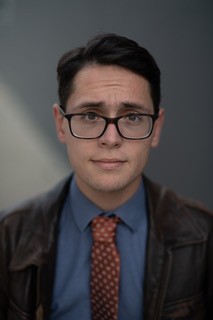
Otto Pippenger
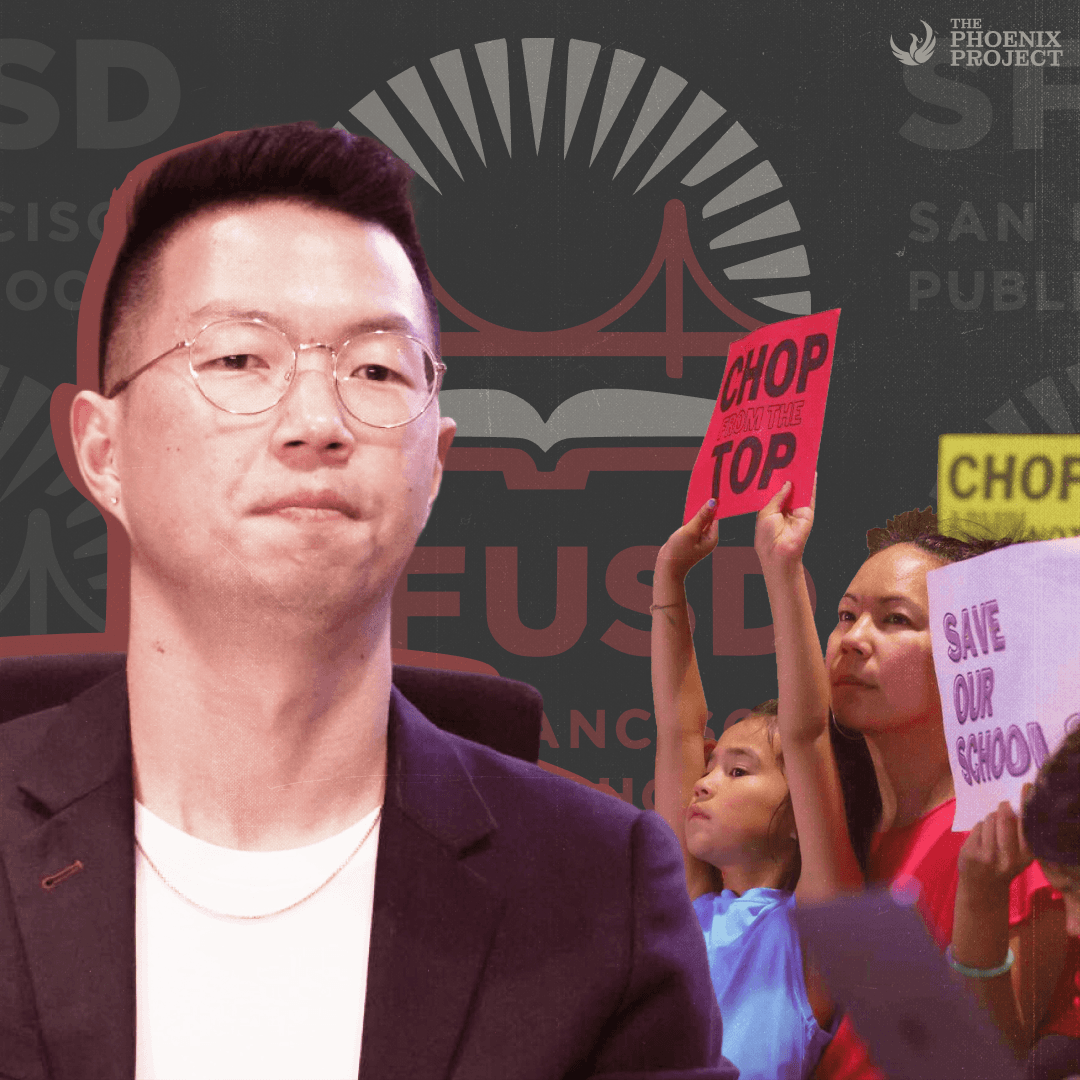
Phil Kim, appointed in 2024 to the San Francisco School Board by former Mayor London Breed, is now running to retain his seat. He has a peculiar background for one seeking to advocate for public education. Kim is a former employee of KIPP, short for Knowledge is Power Program, the largest network of charter schools in North America.
Kim spent 11 years rising up through the ranks of KIPP before being tapped by San Francisco Unified to lead the school closure process across the city. The project proved to be enormously unpopular with public school parents so much so that Breed called for the closures to be halted.
A so-called down ballot race has not attracted the attention it so richly deserves. Kim’s connection to the charter school movement and the Astroturf Network should give San Francisco voters pause. Charter schools, like those operated by KIPP, seek to evade the democratic oversight required of all public schools. At the same time, they receive money from struggling school districts like San Francisco Unified. A single regional affiliate, KIPP Texas, reported $464 million in annual revenue over the same period, much of it from local school districts.
Unsurprisingly, Kim has received support from enthusiastic “school choice” supporters including Neighbors for a Better San Francisco, which has vowed to spend $1 million to maintain a conservative majority on the School Board. Central to its plan is electing Kim who currently serves as president. Another ardent Kim backer is GrowSF, a political action group started by Steven Bacio, a tech worker connected to the YIMBY movement, and Sachin Agarwal, a tech entrepreneur connected to Garry Tan. The centimillionaire chief executive of tech incubator Y Combinator, Tan once sat on the GrowSF board.
In his current campaign, Kim has received money from wealthy donors connected to KIPP and the school choice movement. Of the $29,487 he raised as of January 30th, $1,500 came from three chapters of Govern for California, a right-wing PAC, whose donors have strong ties to KIPP. Among them are Carrie Walton Penner, KIPP board member and granddaughter of Walmart founder Sam Walton, and John Fisher, KIPP board chair and the son of Gap cofounder Donald Fisher.
Kim, who failed in two previous campaigns for School Board as well as an abortive run in 2022, has been promoted by some of the city’s most moneyed — and as a result, most powerful — political players. Why? Because he has loyally carried out their conservative agenda when it comes to public education. As a member of the Board, he has continued to advance KIPP’s agenda.
Neighbors for a Better San Francisco was created by William Oberndorf, a Marin County billionaire long connected to the school choice movement. A conservative mega donor with a long history of bankrolling right-wing candidates and causes, he replaced Betsy DeVos as the chairperson of the American Federation for Children in 2016 after Trump appointed DeVos as Secretary of Education. Like the Fishers and the Waltons, school choice has been among the conservative causes he has used his enormous fortune to support.
Oberndorf was the largest donor to Neighbors for a Better San Francisco, the political action committee behind the 2022 School Board recall. Neighbors spent nearly a half-million on the effort, making it the recall's single largest funder.
Attacking public schools by claiming that they are poorly governed has been a long-standing strategy of the school choice movement. So are school closures, which do not lead to significant savings, a project Kim was hired to lead in San Francisco.
Last October, Kim voted to renew KIPP’s contracts for operating two San Francisco schools, agreements that allow them to keep operating them for another 5 years. Neither should have been renewed. According to The Frisc, KIPP Bayview Elementary had a 45% absenteeism rate, more than double that of the district average. KIPP SF College Prep suffered from declining enrollment and math proficiency at 22% below the district average. Despite Kim's history with KIPP — and the district's strict conflict of interest policies — he did not recuse himself from the vote.
KIPP’s San Francisco Bay Academy was originally housed in the same buildings as Benjamin Franklin Middle School, shuttered in 2005 before Breed insisted that the plan to close schools end. KIPP schools currently share space with Gateway HIgh School, and Malcolm X Academy, both included on a 2024 list of schools considered for closure.
Experts call school choice another step toward privatizing public education. Charter schools often move into buildings left vacant by public schools. KIPP often shares buildings with financially struggling public schools, before supplanting them altogether. That phenomenon serves as a metaphor for the direction that Phil Kim and his wealthy donors wish to pursue. The end result will be a system that will no longer be accountable to the public, most importantly to the families of the children it serves.
Otto Pippenger is a Sunset District resident, and longtime activist and organizer for progressive causes in San Francisco and the East Bay. When not directly campaigning, he returns to his time as a journalism student, offering unique insights based on his decade of experience in local politics.