
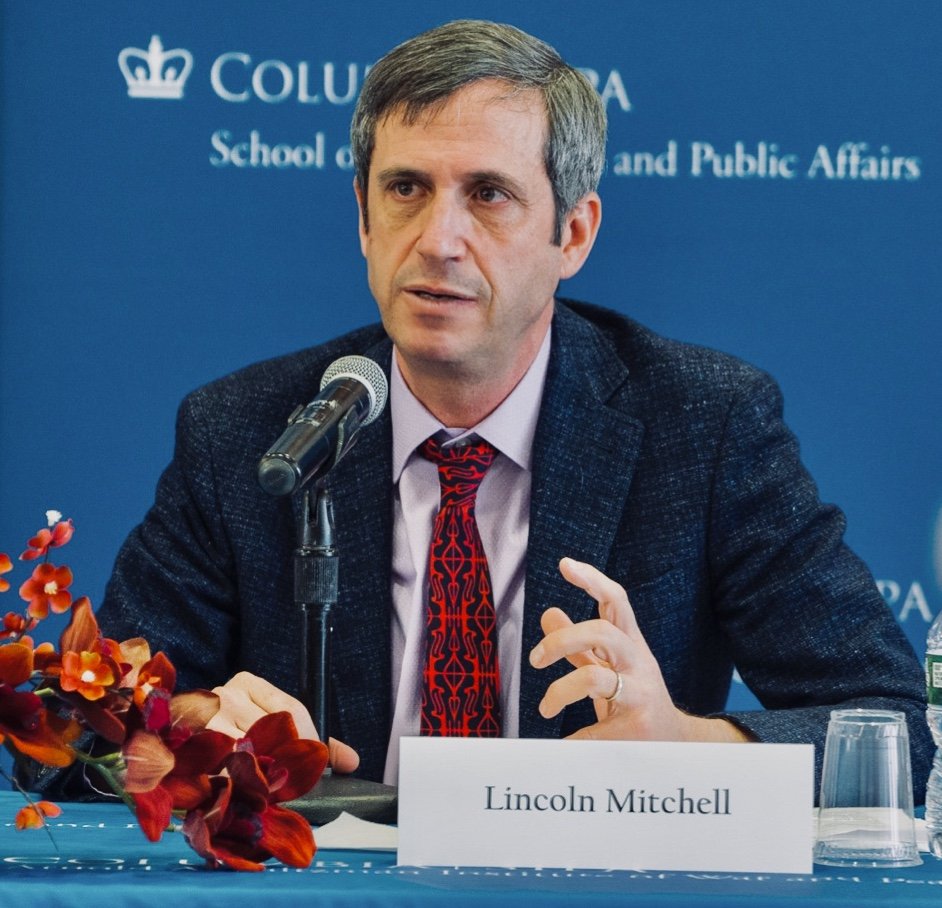
Lincoln Mitchell
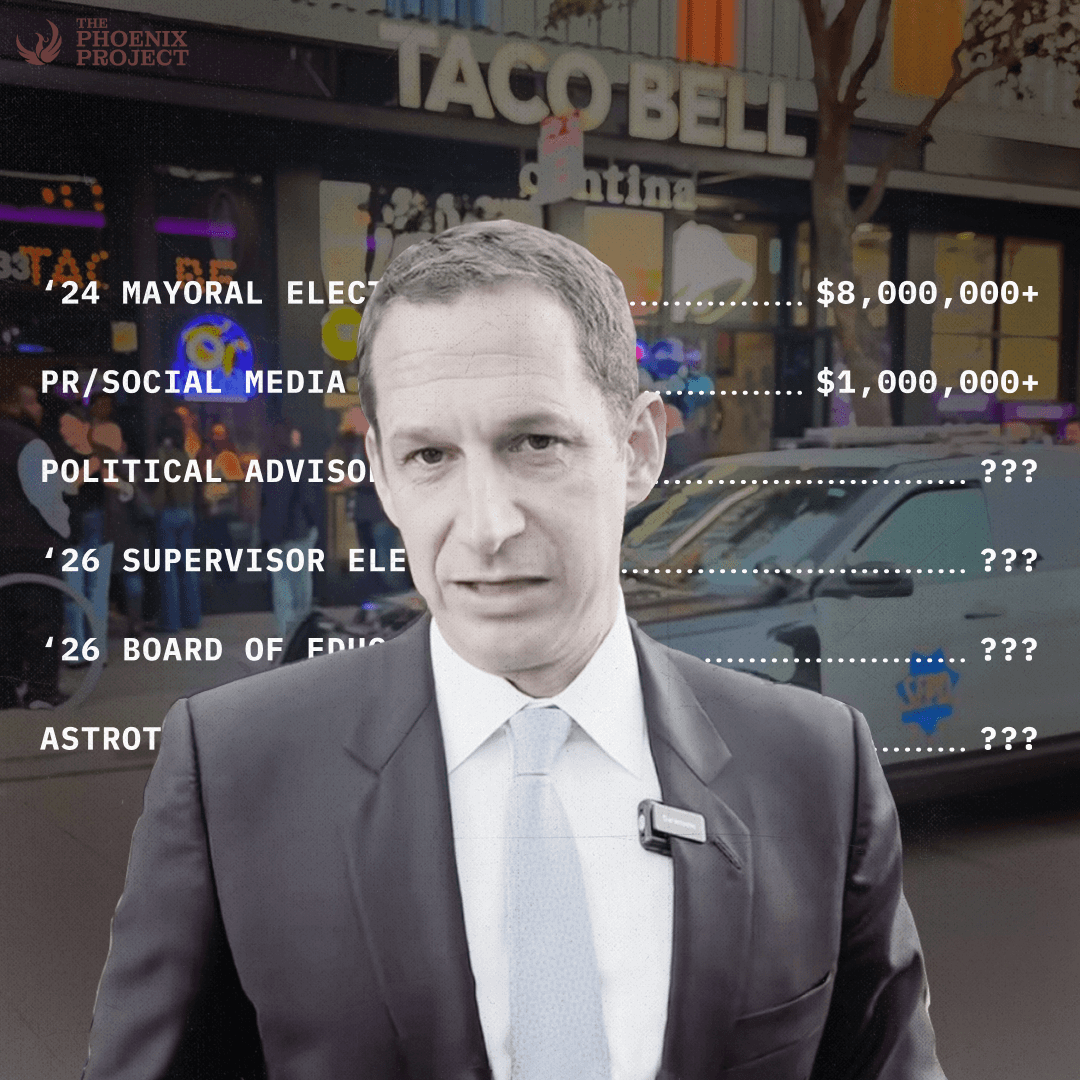
A few weeks ago it was revealed that San Francisco Mayor Daniel Lurie spent about $1 million on consultants to burnish his image during his first year in office. While the tone of much of this coverage was critical, although conceding that it was perfectly legal, there is another way to look at Lurie’s spending on consultants. The Lurie family invested millions in seeing Daniel, a wealthy scion of the Levi’s fortune, become mayor. Given that investment, it is wise of Lurie to keep investing in his image even after winning a competitive race for mayor in 2024.
Lurie, a first-time candidate in 2024, has demonstrated strong political instincts, despite some notable mishaps along the way. Perhaps Lurie’s greatest political instinct has been to recognize his own limitations. Although he seems smart and committed to his work, Lurie also appears to be aware that he is not burdened by any substantial amount of charisma.
Lurie’s speaking style, while not always awkward, is never compelling. He dresses well, but does not have the natural good looks of some politicians or the winning smile of New York’s mayor Zohran Mamdani. During the few times I have chatted with Lurie, he has seemed a little awkward and uncomfortable making small talk. Those are weaknesses to be sure, but they do not have to be politically debilitating.
The Mayor has done two things to overcome this lack of charisma. The first is that he has not tried to be something he is not. It might be an overstatement to say Lurie has leaned into being a nebbish, but he has not tried too hard to fight it. More significantly, he has invested his money in a team that has delivered a very strong social media game.
On the surface there is nothing wrong with any of this, and Lurie is simply exploiting the reality that in American politics, money is massively important. However, below the surface it is tough to look at Lurie’s political career and not see a warning sign of the dangerous direction politics is heading in San Francisco. Even the most ardent Lurie supporters must recognize that if he had outspent his opponents by a margin of two to one, rather than somewhere, depending on the opponent, between three and six to one, Lurie never would have become mayor, but that is only the tip of the big money iceberg in San Francisco.
Organizations that are known euphemistically in San Francisco as “moderate groups” such as GrowSF and Neighbors for a Better San Francisco, have spent enormous amounts of money seeking to push the city rightward. Their positions in support of real estate speculators, hawkish approaches to policing and deregulating business are conservative, not moderate. Being in San Francisco and holding a few liberal positions on social issues does not change that.
Those groups have helped recall Chesa Boudin, defeat Supervisor Dean Preston, spent money to, successfully or unsuccessfully, defeat other progressives and support other moderate and conservative candidates and promote the doom loop narrative that was so damaging for the city.
The role of what many refer to as the “Astroturf Network” in San Francisco politics is somewhat well-known, but it is a useful context to understand the ways Lurie is using his enormous wealth to dominate city politics. Too frequently the media reports fundraising and other campaign finance numbers without explaining what that money buys. In this case voters should understand that if they like Lurie, think he has turned the city around or that he does great social media, it is largely because he can afford to buy those perceptions. That is one way politics work today and not just in San Francisco.
In the bigger picture, spending real money after the election to ensure good social media and to procure good political advice is a smart move. Any mayor with Lurie’s money would be foolish not to do that. However, there are other things Lurie can do with his money that would be considerably more damaging. For example, Lurie could put a few hundred thousand dollars, pocket change for him, into recalling a member of the Board of Supervisors with whom he clashes and, following a successful recall, appoint an ally to that post. That may sound far-fetched and there would be some political cost to doing it, but if it was important enough, Lurie could do that.
Lurie could take a less controversial approach and contribute a substantial amount of money to the Astroturf Network groups to do an independent expenditure in a local race that was important to him. In either of these scenarios, the Mayor would be buying a friendly legislature. It would not be fair to Lurie to assert that he is planning to do anything like this, but it would be unwise to look at a mayor who has not hesitated to spend substantial sums to bolster his political fortunes and suggest he is not capable of those kinds of tactics.
Lincoln Mitchell is a native San Franciscan and long-time observer of the city’s political scene. This article was originally published on his Substack, Kibitzing with Lincoln.