
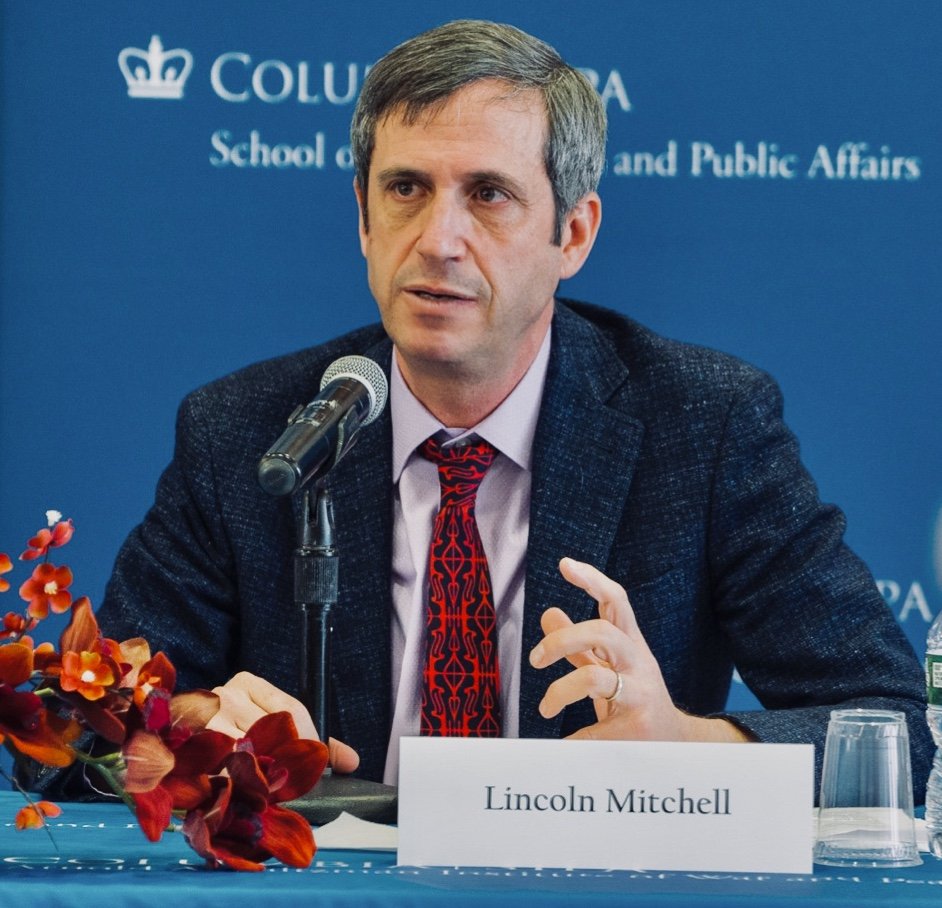
Lincoln Mitchell
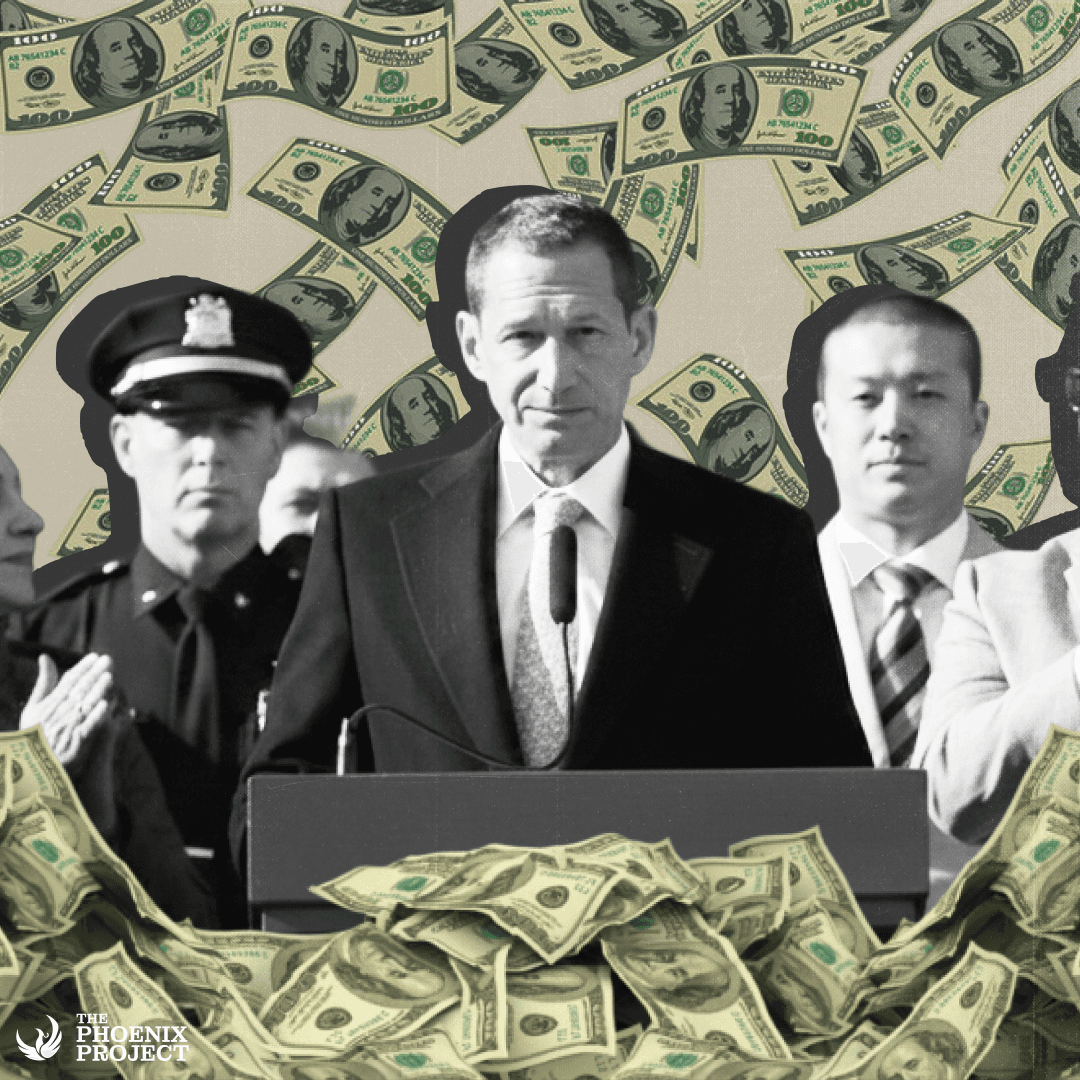
San Francisco Mayor Daniel Lurie is quietly building an impressive 21st century political machine, one that rests on investing heavily in good social media and press relations, as well as upon the enormous wealth of the Mayor and his allies. Lurie ran as a kind of political everyman in 2024, remaining vague about his vision, save for platitudes about solving homelessness-which he has not meaningfully tried to do-and bringing down crime-on which his record is mixed. He was something of a political Rorschach test to voters who could see in him more or less whatever they wanted to see.
Lurie, despite not having the innate charisma of, for example, New York City Mayor Zohran Mamdani, has a good team that is able to promote the Mayor on social media, mostly by connecting him visually to so many of the things that makes the city so great.
It is extremely unlikely the Giants will win the World Series this year, but if they do you can look forward to endless reels of Mayor Lurie celebrating as if he, not whoever the Giants finally decide upon as a closer, recorded the final out in the Fall Classic. Additionally, Lurie has been able to secure positive, if tenuously related to reality, coverage in the media by touting himself as responsible for San Francisco’s great turnaround. That turnaround is, predictably, largely one of spin rather than substance because the city was never as bad off as the doom loop fear-mongers told us it was.
This all substantially obscures the nature of Lurie’s governance, which hews to a conservative urban agenda in everything from a housing policy that could have been crafted by a real estate speculator to policies on homelessness and crime that are essentially Giulianism with a happier face.
The political machinations that are buoying the mayor, and that will make it easier for him to implement his right-leaning agenda, are also significant. Politics in San Francisco, as well as nationally, occur in a context where, since Citizens United in 2010, there are effectively no limits on campaign spending. Even in a city like San Francisco that has very good local campaign finance laws, the massive loopholes created by Citizens United that allow unlimited independent expenditures (IEs) renders the local laws all but irrelevant.
In other words, it doesn’t matter that you can only give $500 to a candidate for mayor or supervisor if that candidate’s mother, in the case of Lurie, or wealthy friends in many other cases, can put hundreds of thousands, or millions, of dollars into a parallel campaign for that candidate. The result of this is contribution caps for the middle class and unlimited contributions from the very rich.
In 2024, Lurie-including PACs supporting Lurie-outspent London Breed, who finished second, by roughly 3-1 and Aaron Peskin who finished third, by roughly 6-1. If those margins had been 2-1, Lurie would have probably remained relatively unknown and finished third or so. On balance, that is not all that unusual, politicians buy elections-or have them bought for them-with some frequency.
What Lurie is doing now is notable because he is using his wealth, along with the wealth of the conservative tech and real estate moguls who now support him, to remake the city. Conservative groups like GrowSF and Neighbors for a Better San Francisco have been pushing San Francisco politics rightward for some time, but now they are doing it with support from, and in coordination with, a powerful and very wealthy mayor.
Lurie’s immense personal wealth means that as mayor his ability to drive the conservative agenda goes beyond the powers of his office. This explains why the other conservative power brokers and sources of campaign contributions have aligned themselves with him. After all, it is better to work with somebody in power with whom you agree on most things, than to pick a fight with somebody who has the means to fight back.
Lurie’s political operation is based on exploiting the absence of limits on contributions to independent expenditures (IEs) on behalf of candidates and the absence of limits on how much those IEs can collect from donors. Lurie’s own election may be the highest profile recent example of this, but this dynamic is already apparent in several supervisorial campaigns and ballot initiatives.
One example of this is Lurie’s charter reform effort that, predictably, seeks to expand the power of the mayor while making the Board of Supervisors less power and weakening the initiative process.
This project is supported by wealthy conservative Trump-adjacent interests, that are a veritable who’s who of the Astroturf Network that has sought to push the city rightward for several years now. Michael Moritz and Chris Larsen have committed $2,000,000 each; AirBnB and Anthropic are in for half a million and the list goes on. Money from Lurie and other groups funded by Moritz, Larsen and contributors to the Astroturf Network will also help support Lurie-backed candidates for Supervisor such as Stephen Sherrill in district two and Manny Yekutiel in district eight.
That is how the Lurie machine works. He and his Trumpy supporters pour enormous amounts of money into political projects. Those candidates who support those projects get substantial resources supporting their campaigns, while opponents see similar resources used against them. Candidates of more modest means and more progressive platforms cannot compete financially with this-and all of it is made possible by a Supreme Court that has effectively undermined all campaign finance laws. Oh, and if you’re wondering who gets the jobs in this machine-who knows, but given how much of this money is from the tech sector, probably AI.
Lincoln Mitchell is a native San Franciscan and long-time observer of the city’s political scene. This is an excerpt from an article that was originally published on Mitchell’s Substack, Kibitzing with Lincoln.