
Julie Pitta
This article first appeared in The Nation.
Housing costs in fast-growing cities around the world have quadrupled since 1950. In the United States, that means nearly half of the country’s renters are paying more than 30 percent of their income for housing—an outlay that eats into already overstretched budgets for other essential expenses such as food, healthcare, and transportation.
Nowhere has the affordability problem been worse than in San Francisco. Between 1980 and 2019, the city’s housing costs increased by as much as 600 percent, according to the US Bureau of Labor Statistics and records from the San Francisco Rent Board. That increase is more than double the national average over the same time span.
Democratic policy wonks have embraced the deregulatory “abundance” movement—kickstarted by the 2025 book of the same name by Ezra Klein and Derek Thompson—as a solution to the housing crisis. The central mandate here was to institutionalize an ethos of YIMBYism—short for Yes in My Backyard—in order to ramp up the housing supply and drive down costs. The argument was seductive since it offered a simple proposition to a pressing problem: Remove barriers to housing development—from red tape, and community and environmental review, to limits on building height—and a housing boom would ensue, ensuring at long last that cities would be able to meet a rising demand for housing.
But San Francisco illustrates another dynamic, which saw the city’s political scene rapidly transformed into a playground for the ultra-wealthy. The YIMBY movement did not merely push for relaxed zoning—it became a stalking horse for Bay Area tech titans who used it as a political vehicle to seize local power.
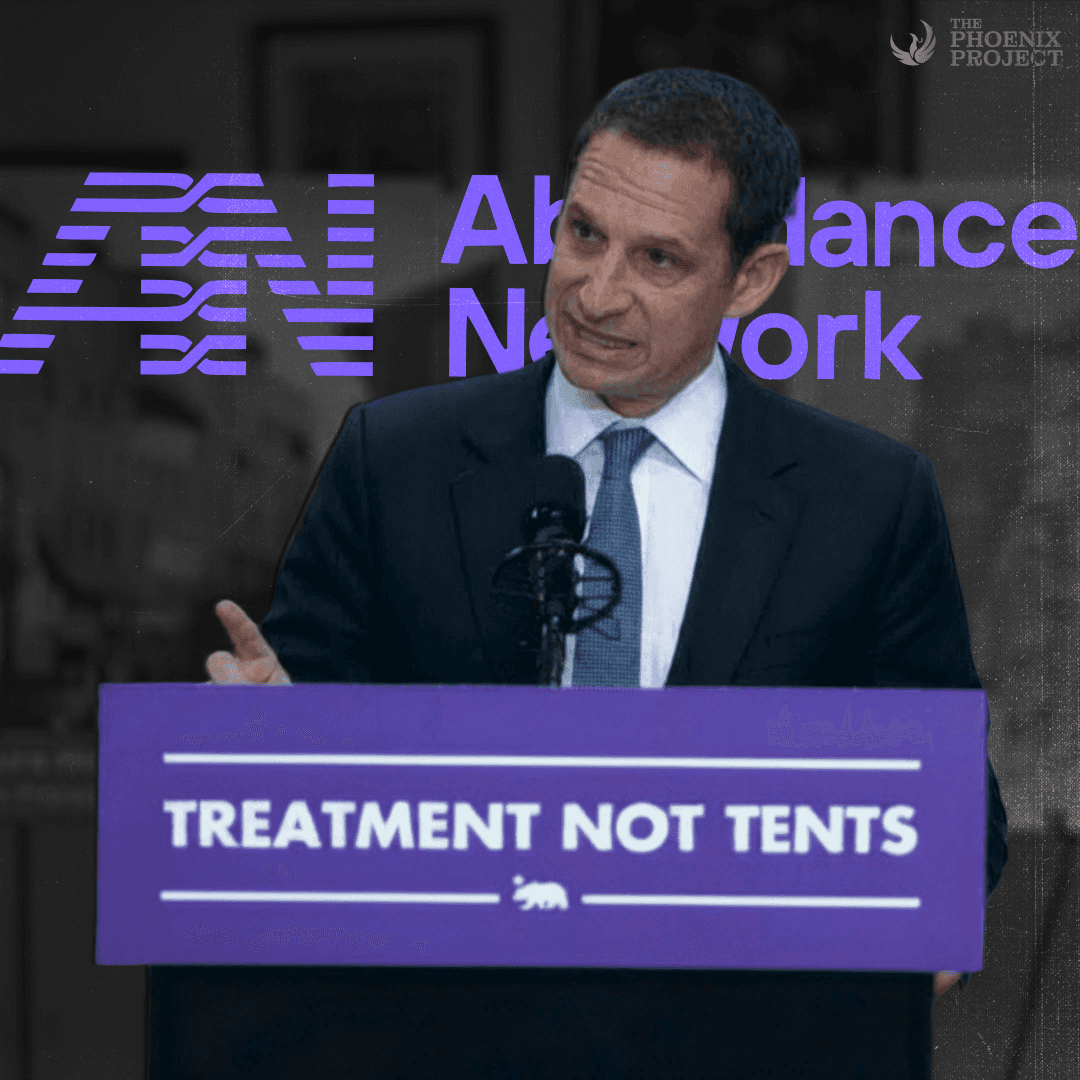
As documented in a recent report by the Phoenix Project, San Francisco’s YIMBY uprising became in short order the vanguard of an emergent astroturf network. Starting in 2020, the ultrarich began backing a new welter of political pressure groups sporting warm, pro-housing monikers such as Neighbors for a Better San Francisco, Together SF, and Abundant SF (which later became Abundance Network) to oust progressives from local government. University of California–Santa Cruz sociology professor Katharyne Mitchell and PhD candidate Gregory Woolston have described this local political takeover as revanchist populism, a brand of “revenge” politics funded by conservative elites. And it’s clearly working: According to an analysis from the San Francisco Chronicle, the composition of the city’s board of supervisors shifted decisively rightward in 2024.
Click here to read more.
Julie Pitta is president of the Phoenix Project. Dylan Gyauch-Lewis is a senior researcher with the Revolving Door Project.